How Long Should a Bathroom Renovation Take?
 Nicole Bickley
A full bathroom replacement takes three to five weeks from strip out to snagging, and six to eight if the layout moves or the room is stripped to brick. A cosmetic refresh with no service changes takes ten to fourteen days.
The schedule is dominated by two waiting periods rather than by trade speed: waterproofing cure times and tile adhesive drying. Both are chemical processes and neither responds to pressure.
What does a week-by-week bathroom schedule look like?
Week one: strip out, first fix plumbing and electrics, inspection. Week two: screed or former, tanking, flood test. Week three: tiling, grouting, drying.
Week four: second fix, sanitaryware, screen and mirror. Week five: decoration, sealant, snagging and cleaning. A five-week job with two days of slack in the middle.
How long does strip out take?
One to two days for a standard bathroom, three if there is a bath to cut up, tiles on a render bed, or a cast iron stack to work around. Waste removal usually adds half a day.
Strip out is also where discoveries happen: rotten flooring under the bath, a stack that is not where it should be, or wiring that predates the current regulations.
How long does first fix take?
Two to three days for plumbing and electrics together, including chasing, pipe runs and back boxes. Add a day if the waste has to be rerouted through a floor.
Book the inspection at the end of first fix before the plasterer is booked. An inspection slot two weeks out is the most common cause of a stalled week two.
How long does tanking and curing take?
Screed 24 to 48 hours before tanking, tanking two days with drying between coats, flood test 24 hours. That is five to six days before a tile is laid, and none of it can be compressed.
Tile adhesive then needs 24 hours before grouting, and grout needs 24 hours before sealing. The chemicals set the pace, not the trades.
How long does tiling take?
Three to five days for a standard bathroom including walls and floor, longer with large format tiles, mosaics or a complex layout. Add a day for a herringbone or chevron pattern.
Large format tiles are slower per square metre, not faster, because every cut has to be precise and the adhesive bed has to be flat.
How long between tiling and second fix?
At least 48 hours after grouting, and 24 hours after any waterproofing sealant has cured. Fitting a basin onto fresh grout disturbs it, and disturbed grout cracks.
Use the gap for the decoration that does not touch the wet zone. Painting the ceiling and door frame can proceed while the tiles cure.
What adds a week to a bathroom schedule?
Moving the toilet or bath, replacing the stack, adding underfloor heating, and any structural alteration. Each introduces a new trade, a new inspection, or a new curing period.
Underfloor heating alone adds three to four days: mat, self-levelling compound, cure, then tile.
Can a bathroom be done in two weeks?
Only as a cosmetic refit: new suite in the same positions, tiles over existing, no tanking, no service changes. That is a different product from a renovation and it usually shows within three years.
The two-week bathroom typically skips tanking and the flood test. Those are the two items that cause the leaks nobody can find later.
How many trades are involved?
Five at minimum: demolition, plumber, electrician, tiler and decorator. A sixth if there is plastering, a seventh if there is glazing or a specialist screen.
Each handover is a potential delay of a day. Five trades means four handovers, which is why the schedule needs slack rather than optimism.
How long is the bathroom unusable?
The whole period. Unlike a kitchen, there is no meaningful temporary arrangement for a bathroom, which is why a second toilet in the house changes the decision entirely.
Households without a second bathroom should plan around a fortnight of alternative arrangements, not a few days.
What is the most common schedule slip?
The inspection and the flood test. Both are fixed-duration items that people try to overlap with other work, and both fail when overlapped.
The second most common is tile delivery. Tiles ordered after demolition arrive after the tanking is finished, and the tiler moves to another job.
How much slack should the schedule hold?
Three to five working days on a three-week job, and a week on a five-week job. Slack is not padding; it is the buffer that absorbs one discovery without moving the completion date.
Put the slack at the end and tell the household about it. A promised date that assumes everything goes right is a date that will be missed.
Does a small bathroom take less time?
Barely. A small bathroom has the same number of trades, the same tanking, the same inspections, and only marginally less tiling. Four weeks is realistic for three square metres.
Small rooms are often slower to work in, because there is nowhere to put materials and every cut is a tight one.
How does an ensuite compare?
Similar duration, plus the cost of running services to a new location. If the ensuite is above a room that can take a waste route, four to five weeks. If not, add a week for the drainage solution.
The service route, not the room, is what decides an ensuite schedule. The guide on adding a bathroom without drainage covers that constraint.
When can the bathroom be used again?
Once the silicone has cured, which is 24 to 48 hours after application, and after the screen has been adjusted. Typically day 26 to 30 of a five-week job.
Using a shower before the silicone cures is the single most common cause of a leak in a brand new bathroom.
Does a bathroom renovation need the water off for the whole job?
Only during first fix and second fix, typically two separate days. Isolate the bathroom at the nearest valve rather than the whole house, and label the valve so the next person can find it.
If there is no isolation valve on the branch, fitting one is the first task. A bathroom job that requires draining the house for every adjustment takes twice as long.
What should happen at the final walk round?
Run every outlet, check every waste for leaks under load, test the extractor with a tissue, and check the floor fall with a jug of water. Photograph the pipe routes before the panels go back.
Hold the retention until that walk round is complete and the certificate is issued. The last five percent is what gets the snag list finished.
Duration is largely set by the waterproofing and drainage decisions, not by the finish. The guides on tanking and on shower floor fall explain why those two stages cannot be shortened.
Related guides
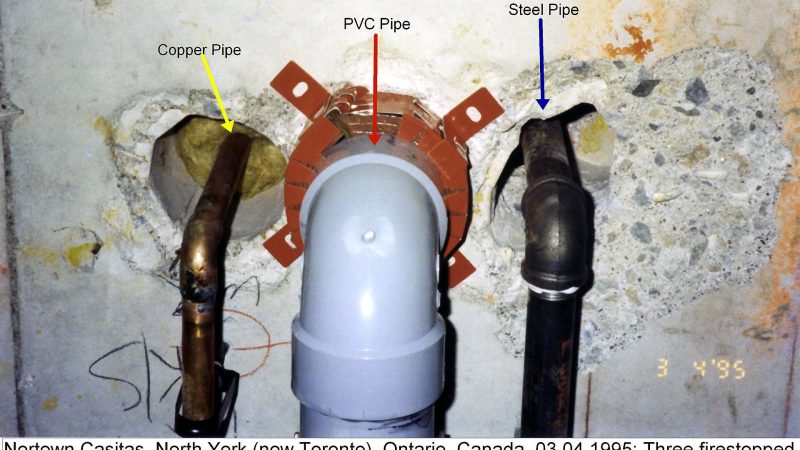
Can You Put a Bathroom Where There Was No Drainage?
Yes, provided a waste route can reach an existing stack or drain with a 1 in 40 to…
Nicole Bickley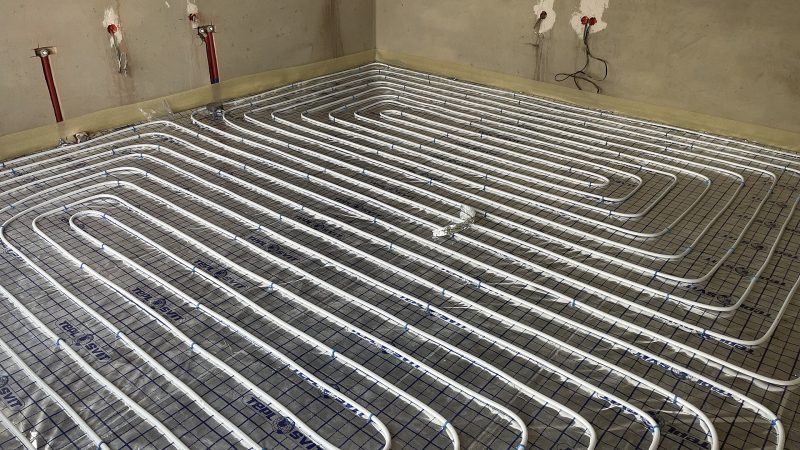
What Underfloor Heating Works Under Bathroom Tile?
Electric mat systems are the practical choice under bathroom tile, at 100 to 160 watts per square metre,…
Nicole Bickley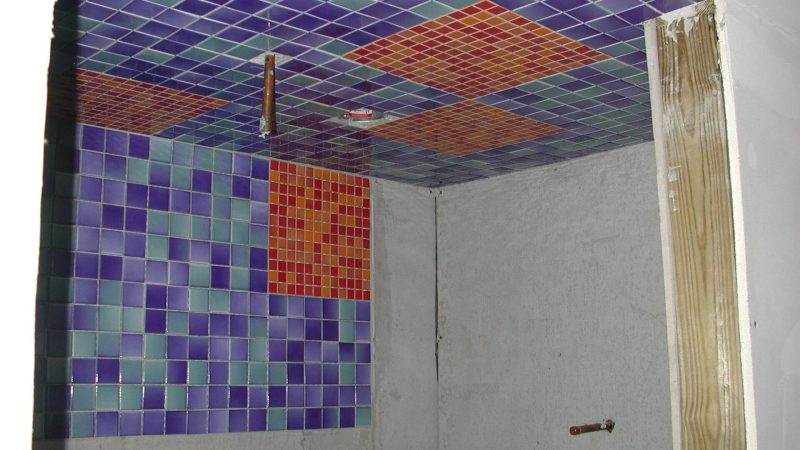
How Do You Tank a Walk-In Shower Correctly?
Tanking is a continuous waterproof layer bonded to the substrate, carried up the walls to at least 200mm,…
Nicole Bickley