What Does a Building Inspector Check at Each Stage?
 Nicole Bickley

An inspector checks four things in sequence: the excavation and foundations, the structure before it is closed, the services before they are covered, and the completed building against the approved drawings. Each visit is triggered by a notification from the builder, not by a schedule.
Missing a stage is the most common compliance failure in residential work, because the work cannot be inspected retrospectively without opening it. The notification is the builder’s duty, and it is the item most often forgotten.
What is checked at the foundation stage?
The depth and bearing of the excavation, the reinforcement if there is any, the damp proof course position, and the drainage runs below the slab. The inspector wants to see the ground before concrete goes in.
Once poured, the only way to check is to break it out. That is why the first inspection is also the one most often booked late.
What is checked before the structure is closed?
Structural elements including beams, lintels, joist hangers, wall ties and the roof structure, plus fire stopping and party wall details. Photographs are accepted by most authorities for elements that will be hidden.
Take the photographs with a scale in frame and a date. An inspector can accept evidence; they cannot accept a description.
What is checked at first fix?
Electrical cable routes, consumer unit position, earthing and bonding, pipe runs, waste falls and ventilation ducts. All of it before plasterboard closes the wall.
This is the inspection that catches the cheap shortcuts: a waste run with no fall, a cable in a safe zone that is not actually safe, a duct that terminates in a loft.
What is checked at the insulation stage?
Insulation thickness and coverage, the continuity of the vapour control layer, and the airtightness detailing around junctions. Gaps here are invisible later and permanent in effect.
Photograph the insulation before it is covered, particularly around windows and at the wall-roof junction. Those are the leak paths.
What is checked before the floor is finished?
Screed thickness, underfloor heating installation, damp proof membrane continuity, and the drainage falls. In a bathroom, the tanking and the shower fall are also inspected in some jurisdictions.
Once tile is laid, none of this can be seen. The inspection before tiling is the last chance to correct a fall that will otherwise pool water.
What is checked at the final inspection?
That the building matches the approved drawings, that fire escape routes exist and are clear, that ventilation and drainage are connected and working, and that the certificates for electrical and gas work are in place.
The inspector is not checking the quality of the finish. A crooked tile is not a building regulations matter; a missing fire door is.
How much notice is needed for an inspection?
Usually 24 to 48 hours, and in practice two to five working days because inspectors cover a wide area. Booking late is the most common cause of a stalled week.
Book the inspection when the stage is scheduled, not when it is finished. That way the slot exists before the work does.
What happens if work is covered before inspection?
The inspector can require it to be opened, and the cost of opening and reinstating falls on the owner. In serious cases the work is treated as unapproved and regularisation is required.
This is the single most expensive administrative mistake in a renovation, because it converts a free visit into a demolition and rebuild of the finish.
What should be on site for an inspection?
The approved drawings, the engineer’s calculations, the specification, and the previous inspection records. An inspector who cannot see the design cannot confirm compliance with it.
Keep a folder on site with all of it. The ten minutes spent finding a drawing is ten minutes taken from the inspection.
Can photographs replace an inspection?
For elements that will be permanently hidden, many authorities accept dated photographs with a scale. For structural work, they usually want to see it in person at least once.
Ask the inspector before the stage, not after. The answer varies by authority and by the element in question.
What does an inspector not check?
Finish quality, decoration, furniture, and anything not covered by the regulations. They are not a snagging service and they will not tell you the grout is uneven.
That is what your own inspection is for. The two are complementary, and neither replaces the other.
How many inspections does a typical renovation need?
Four to six: foundations, structure, first fix, insulation, pre-plaster or pre-tile, and final. An extension with drainage and a new bathroom can reach eight.
Each is a fixed appointment of thirty to ninety minutes. The number matters more than the duration, because each one is a scheduling constraint.
What if the inspector raises a defect?
They will usually note it and ask for it to be corrected before the next stage. The work does not have to stop entirely, but the next inspection will not pass until it is resolved.
Ask for the note in writing. A verbal observation is easy to misremember and hard to close out later.
Does the inspector check the contractor’s competence?
No. Building control checks the work, not the person. Competence and insurance are commercial matters between the owner and the contractor.
That is why references, insurance certificates and contract terms matter, none of which the inspector will ask about.
What is the completion certificate and when is it issued?
After the final inspection, and only when all the required certificates are in place. It confirms the work complies with the regulations in force at the time of the application.
It can take two to four weeks to arrive after the final visit. Chase it before the final payment, not after.
Can a private inspector be used instead?
In many jurisdictions yes, and it is often faster and more consistent on a small domestic job. The approved inspector carries the same statutory role and issues the same certificate.
The choice should be made before work starts. Switching mid-project means a new inspector inheriting another’s paperwork.
How should inspections be recorded?
Keep every notice, every report, every photograph and the final certificate in one folder, digital and physical. That folder is what a buyer’s solicitor will read.
A renovation with a complete inspection record is worth more than an identical one without, and the difference is usually several thousand in negotiation.
What is the one rule that prevents most problems?
Never close a wall, floor or ceiling before the relevant inspection has passed. Everything else is scheduling; that one is irreversible.
The guide on which renovations need approval explains when inspections are triggered in the first place, and the one on unpermitted work covers what happens when they are skipped.
Inspections define the rhythm of a build, so they belong in the programme rather than in the margins. The guide on renovation sequencing shows where each appointment sits.
Related guides
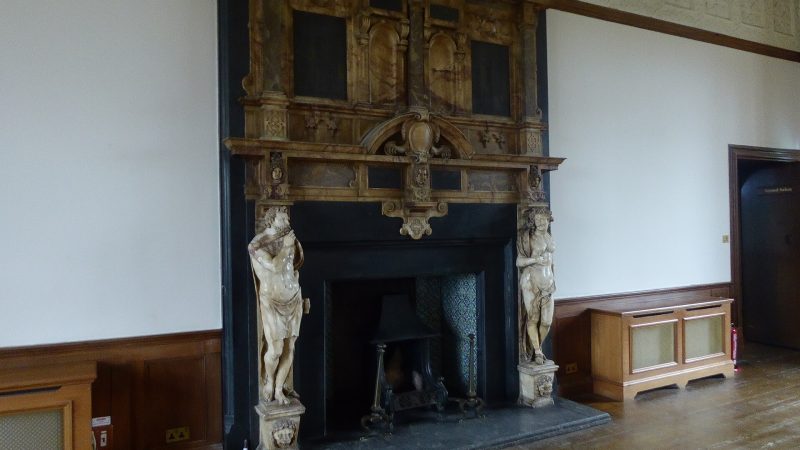
Do You Need Approval to Remove a Chimney Breast?
Yes. Removing a chimney breast is a structural alteration and needs building regulations approval, engineer calculations and usually…
Nicole Bickley
Does a Loft Conversion Need Planning Permission?
It depends on whether the roof volume changes and where the property sits. A rooflight conversion within the…
Nicole Bickley
What Is a Party Wall Agreement and When Do You Need One?
A party wall agreement is the formal process of notifying a neighbour before work that affects a shared…
Nicole Bickley