What Is a Party Wall Agreement and When Do You Need One?
 Nicole Bickley
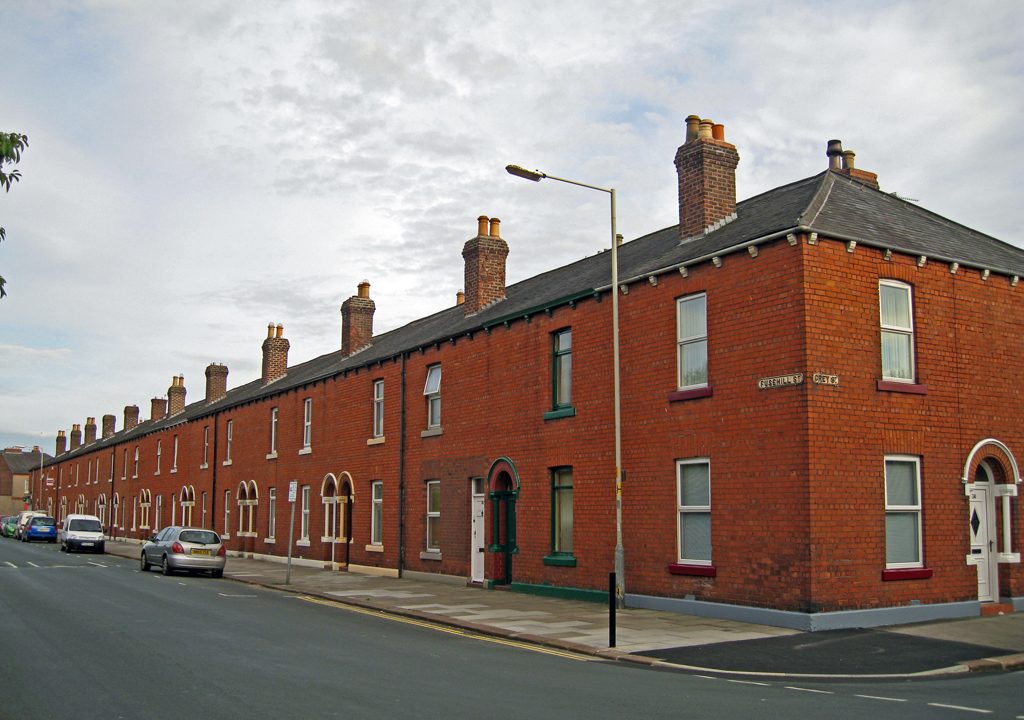
A party wall agreement is the formal process of notifying a neighbour before work that affects a shared wall, and it is required before any excavation near the boundary, any alteration to a party structure, or any work to a party wall itself. Notice is served in writing, and the neighbour has a fixed period to respond.
It is not a permission the neighbour can simply refuse. It is a process that protects their building, and if they dissent, a surveyor is appointed to agree an award that both sides are bound by.
What counts as a party wall?
A wall that stands on the boundary between two properties, a wall shared between two buildings, or a party structure such as a shared floor between flats. The legal definition is precise and varies by jurisdiction.
The practical test is ownership: if both properties rely on the wall for support or enclosure, it is very likely a party wall.
What work triggers the notice?
Cutting into a party wall for a beam, removing a chimney breast, inserting a damp proof course, raising or rebuilding a shared wall, and excavation within a specified distance of a neighbour’s foundations.
Internal work that does not touch the party structure does not trigger it. Replastering your side of the wall is not notifiable.
How much notice must be given?
Two months for structural work to a party wall, and one month for excavation. The notice must be in writing and must describe the work in enough detail for the neighbour to understand it.
A vague notice is a common reason for a dispute. Attach the drawings; it costs nothing and removes the ambiguity.
What can the neighbour do?
Consent in writing, dissent and appoint their own surveyor, or do nothing. Silence beyond the notice period is treated as dissent, which then triggers the surveyor appointment.
Consent is not an approval of quality. It is an acknowledgement of the process, and the owner remains liable for any damage caused.
What happens if the neighbour dissents?
Each side appoints a surveyor, or both agree on a single joint surveyor. The surveyors produce an award setting out what may be done, how, and who pays for making good.
The award is legally binding on both parties and their successors. That is why it survives a sale, and why it is a document worth keeping.
Who pays for the surveyors?
The owner doing the work pays for their own surveyor and, usually, the neighbour’s reasonable costs. That asymmetry is deliberate: the work is being done for one party’s benefit.
Costs are typically 800 to 2,500 for a straightforward domestic award, more where structural work or a basement is involved.
What does the award cover?
The extent of the work, the method, the timing, protection for the neighbour’s property, a schedule of condition, and provision for making good damage. It may also require temporary support.
The schedule of condition is the important part. It records the neighbour’s property before the work, which is what prevents an argument about a pre-existing crack.
How long does the process take?
Two months minimum if the neighbour consents promptly, and three to four months if surveyors are appointed and an award is negotiated. It cannot be accelerated by starting work.
Time it into the programme at the front. A party wall award that is still being negotiated when the builder arrives is an expensive delay.
Can work start without an award?
No. Starting is an offence in most jurisdictions and exposes the owner to an injunction and to liability for any damage without the protection of an award.
Neighbours who discover work early usually escalate, and the cost of stopping a started job is far higher than waiting.
What if the neighbour cannot be found?
Most jurisdictions provide a procedure for serving notice on an absent owner, usually through the local authority. It takes longer and costs more, but it does not block the work indefinitely.
Document every attempt to make contact. The paper trail is what supports the alternative procedure.
Does a party wall agreement cover damage?
It sets out the obligation to make good, and the mechanism for agreeing what that means. It does not prevent damage, and it does not cap liability.
Photograph the neighbour’s side before work starts, room by room. That record is more useful than any clause.
What about excavation near a boundary?
Notice is required where excavation goes deeper than the neighbour’s foundations within a specified distance, often three metres for deeper excavations and six metres for shallower ones. The distances are set by statute.
Basement and extension foundations are the usual triggers. A garden wall is not.
Does a party wall agreement replace building regulations approval?
No. They are entirely separate. The agreement protects the neighbour; building regulations protect the building’s compliance.
Both are usually needed on the same project, and neither satisfies the other.
What if the properties are flats?
The freeholder or the management company is often a party as well, and the lease may require consent for structural work. That is a third consent on top of the other two.
Read the lease before designing. A prohibition on structural alteration is common and it overrides everything else.
How much does a typical award cost?
800 to 2,500 for surveyors’ fees, plus 200 to 500 for the notices and administration. A disputed award with two surveyors and a third as chairman can exceed 5,000.
Most awards are agreed without a dispute. The cost is predictable if the notice is served early and the drawings are clear.
Can a neighbour refuse consent entirely?
They can dissent, but they cannot veto work that is otherwise lawful and approved. The award process exists precisely because consent is not required, only the procedure.
What they can do is make the process slower and more expensive, which is why the relationship matters as much as the paperwork.
What should be done before serving notice?
Talk to the neighbour first, with drawings, before the formal notice arrives. A conversation costs nothing and removes most of the suspicion that turns into a dispute.
Then serve the notice with the drawings attached and a clear description of the work and the dates. Ambiguity is what people object to.
Where does the award sit in the project file?
With the planning decision, the building regulations approval and the completion certificate. It is one of the four documents a buyer’s solicitor will ask for.
A missing award on a terraced house with a rear extension is a question that has to be answered before completion, and answering it later is not possible.
Party wall procedure runs alongside the other approvals, not instead of them. The guide on which renovations need approval and the one on building inspector stages cover the parallel tracks.
Neighbour consent, building approval and structural design are three separate processes that all have to finish before demolition. The guide on chimney breast removal is a typical case where all three apply at once.
Related guides
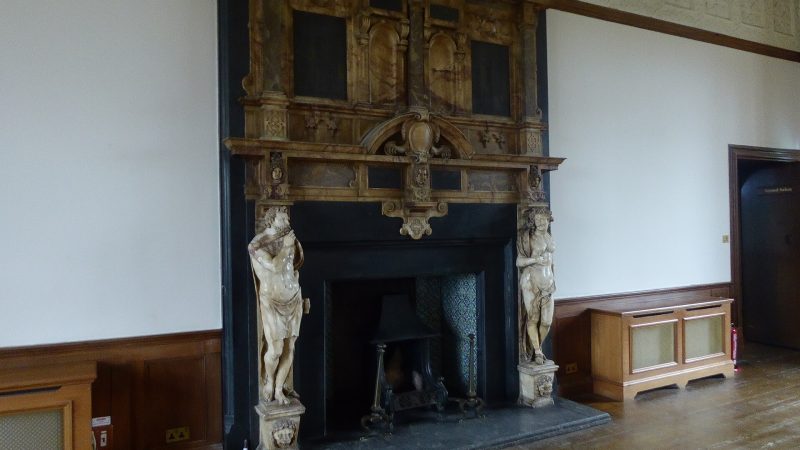
Do You Need Approval to Remove a Chimney Breast?
Yes. Removing a chimney breast is a structural alteration and needs building regulations approval, engineer calculations and usually…
Nicole Bickley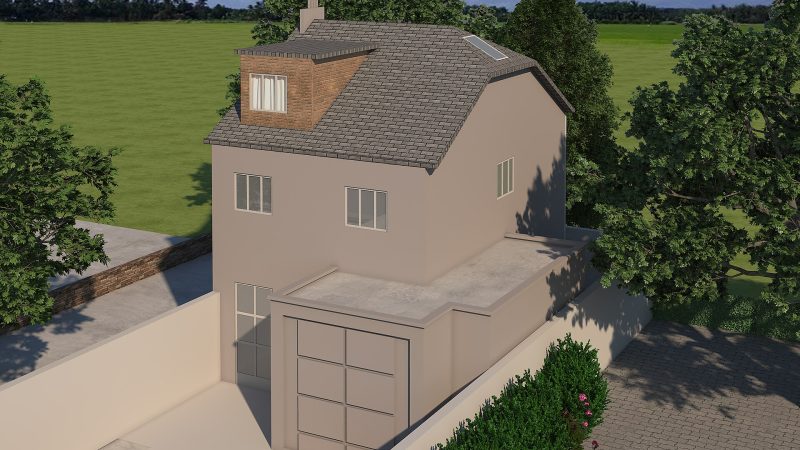
Does a Loft Conversion Need Planning Permission?
It depends on whether the roof volume changes and where the property sits. A rooflight conversion within the…
Nicole Bickley
What Does a Building Inspector Check at Each Stage?
An inspector checks four things in sequence: the excavation and foundations, the structure before it is closed, the…
Nicole Bickley