Is It Cheaper to Refinish Cabinet Doors or Replace Them?
 Nicole Bickley
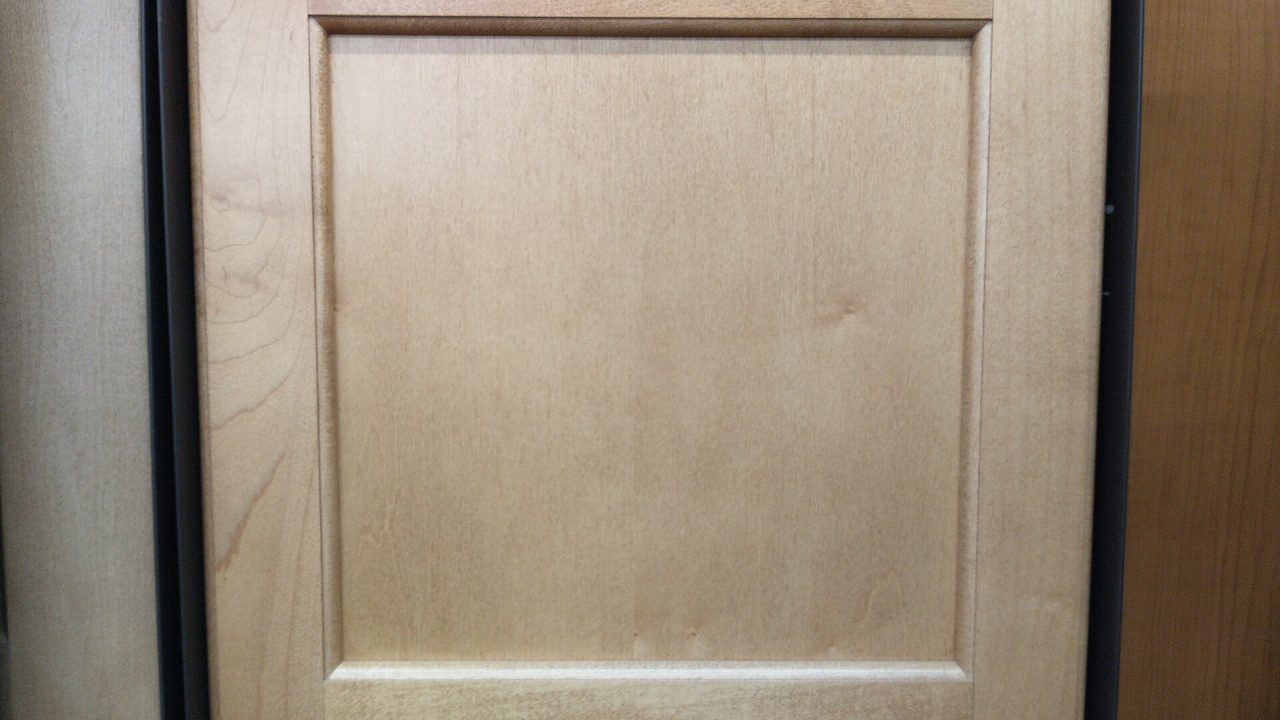
Refinishing doors costs 20 to 40 percent of a full cabinet replacement and is worth it when the carcasses are sound, square and the layout is staying. It is a false economy when the boxes are chipboard that has swollen, the hinges have torn out, or the unit sizes no longer fit the room.
The decision rests on the carcass, not the door. A door is a surface; a carcass is a structure, and only one of them can be refinished with confidence.
What is the difference between refacing and refinishing?
Refinishing means sanding and painting or staining the existing doors. Refacing means replacing the doors and drawer fronts and applying a new veneer or laminate to the carcass faces.
Refacing costs more and looks newer. Refinishing costs less and keeps the original door profile, which matters in older houses where the profile is part of the room.
When is refinishing the right choice?
When the carcasses are solid wood or good quality ply, the boxes are square within 3mm, the hardware is serviceable, and the layout works. In those conditions a professional refinish lasts ten to fifteen years.
It is also the right choice where the doors are a non-standard size. Replacing them means either bespoke joinery or filling and re-drilling, and both erode the saving.
When should the cabinets be replaced instead?
When the carcass is swollen chipboard, when hinges have pulled out and been repaired once already, when the units are not level, or when the layout is changing. In all four cases refinishing paints over a problem.
Swollen chipboard cannot be dried out and cannot be reliably re-screwed. A door hung on it will sag again within a year, and the second repair costs more than the replacement would have.
How much does professional refinishing cost?
60 to 150 per door for spray finishing, or 2,500 to 6,000 for a typical kitchen including prep, masking and two coats. Hand-painted finishes at the upper end because of the labour.
Cheap refinishing usually means no proper degreasing and no primer bonding coat. That finish fails at the handle first, where hands touch it daily.
How much does replacement cost?
Stock replacement doors and fronts run 80 to 250 each. Full cabinet replacement runs 4,000 to 15,000 for the units alone, before worktops and installation.
Replacement also drags other costs with it: new worktop if the unit heights change, new plinths, new fillers, and often new tile where the old cabinets were fixed.
Can you refinish laminate doors?
Yes, with the right primer, but the result is less durable than a factory finish. Laminate is non-porous, so adhesion depends entirely on mechanical keying and a bonding primer.
Expect five to eight years rather than fifteen. If the doors are laminate and the budget allows, refacing with new fronts gives a better result for similar money.
What does a DIY refinish actually cost?
200 to 600 in materials for a typical kitchen: degreaser, filler, sanding pads, bonding primer, two topcoats and a sprayer or roller set. Plus two weekends of work.
The labour is the hidden cost. A brushed finish on a flat door looks acceptable; on a shaker profile it shows every stroke, and brush marks are what make a DIY job identifiable.
How long does refinishing take?
Five to eight working days for a professional spray job including drying between coats. DIY takes two to three weekends, plus a week of careful handling before the finish hardens.
The kitchen is unusable for most of that time. Doors have to come off, and a kitchen without doors is not a kitchen you can cook in.
Does refinishing add value to the house?
It changes how the kitchen is perceived at a viewing, which affects the offer, but it does not add a documented improvement the way a replacement does. Surveys treat it as decoration.
If the sale is within two years, refinishing is usually the better return. If the plan is to stay ten years, replacement is the better investment.
What about replacing only the doors and drawer fronts?
This is the middle option and often the best value: new fronts on sound carcasses, 1,500 to 4,500 for a typical kitchen. It keeps the boxes and the layout, and gives a genuinely new surface.
Check the hinge hole pattern before ordering. Standard 35mm cup holes are consistent; older or bespoke kitchens often are not, and re-drilling weakens the door edge.
How do you tell whether a carcass is sound?
Open every door and push the box diagonally. Any movement means the joints are failing. Then look at the bottom edge of the sink unit for swelling, and at the hinge screw holes for torn fibre.
If three or more units fail those checks, replace rather than refinish. If none do, the carcass has another decade in it.
Does refinishing require the kitchen to be emptied?
Yes. Doors and drawer fronts come off, contents come out, and the room has to be masked. A spray finish also means sealing the room against dust travelling into the rest of the house.
Plan for two weeks of disruption, not two days. The masking, curing and rehanging take longer than the spraying itself.
What finish should be specified?
A water-based or two-pack acrylic with a bonding primer, sprayed rather than brushed, in a satin or eggshell sheen. Gloss shows every imperfection in an old door.
Ask for the primer specification by name. The difference between a finish that lasts three years and one that lasts twelve is almost entirely the primer and the degreasing.
Can the carcasses be repainted inside?
Yes, and it is worth doing if the doors are being replaced. The inside of a cabinet is seen every day, and a new front on a yellowed interior looks like a half-finished job.
Use a washable finish on shelves and the inside of the sink unit. Standard emulsion marks permanently in a kitchen environment.
How do new doors affect the worktop and plinths?
If the door thickness changes, the overhang changes with it, and a worktop cut for 18mm doors can leave a 22mm door proud of the edge. Check the thickness before ordering, not after delivery.
Plinths almost always need replacing with new fronts. The old ones will have faded differently and the colour match will be visible from the doorway.
What warranty comes with a professional refinish?
Two to five years is normal for a sprayed finish on prepared substrate, and the warranty usually excludes areas around handles and hobs. Get the exclusion in writing.
A finish with no written warranty is a finish with no standard behind it. Ask what preparation is included, because that is where the warranty is actually earned.
Which option is better for a rental property?
Refacing, because it is durable, fast and does not require the kitchen to be unusable for a fortnight. Refinishing is too slow for a turnaround, and full replacement is rarely justified in a rental.
Refacing also keeps the unit sizes, which means no worktop change and no tile repair. That is the difference between a five-day and a three-week void.
The decision interacts with the worktop and layout plans, because new fronts often prompt a worktop change. The guide on kitchen worktop materials covers what that adds to the budget.
Related guides
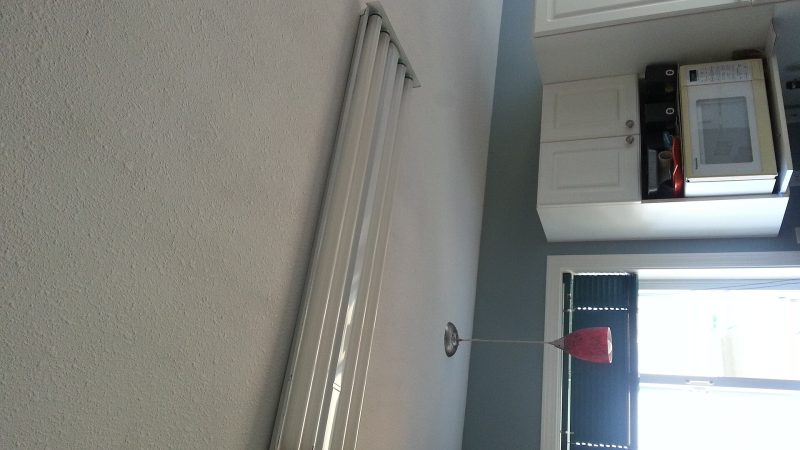
How Long Does a Full Kitchen Renovation Take?
A full kitchen replacement takes six to eight weeks from strip out to snagging, and nine to twelve…
Nicole Bickley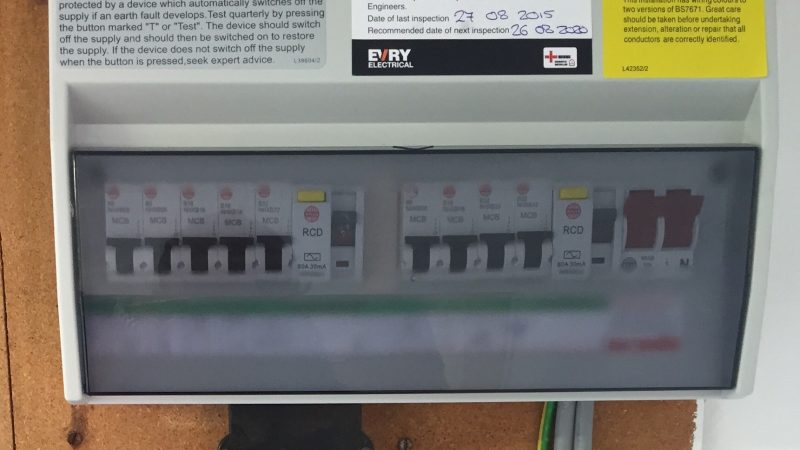
How Many Electrical Circuits Does a Kitchen Need?
A modern kitchen needs a minimum of four dedicated circuits: one for the cooking appliance, one for the…
Nicole Bickley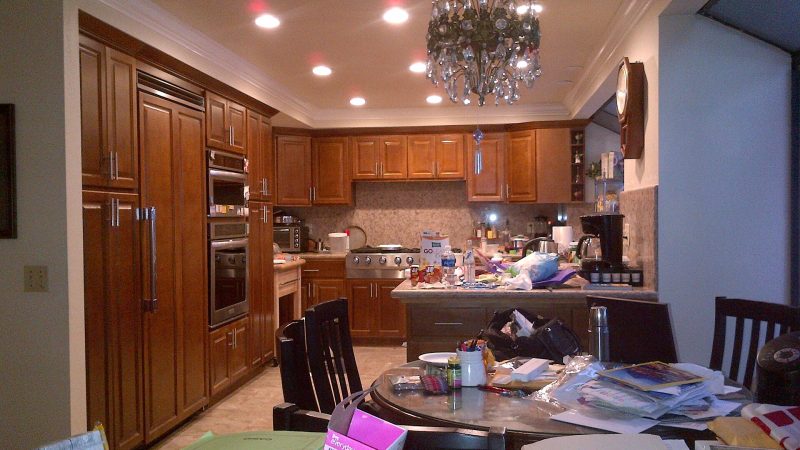
How Much Does a Kitchen Renovation Cost per Square Metre?
Cost per square metre is a poor unit for a kitchen, because the price is driven by the…
Nicole Bickley