How Long Does Planning Permission Take?
 Nicole Bickley
Eight weeks is the statutory determination period for a standard householder application in most jurisdictions, and ten to thirteen weeks is the realistic average once validation and consultation are counted. Complex or contested applications run three to six months.
The clock starts when the application is validated, not when it is submitted. An incomplete submission sits in a queue, and the queue is where most of the delay actually happens.
What counts as a complete application?
Scaled drawings showing existing and proposed, a location plan, a site plan, the application form, the fee, and any required supporting reports such as drainage, ecology, arboricultural or heritage statements.
Missing one document returns the whole package. Resubmitting restarts validation, which is why the eight weeks is rarely eight weeks.
How long does validation take?
One to three weeks if the package is complete, longer in a busy authority or where a supporting report has to be reviewed by a specialist officer.
Call the authority a week after submission and ask whether the application is validated. That call is free and it catches most problems early.
What is consultation and how long does it take?
Three to four weeks, during which neighbours and statutory bodies are notified. Some authorities combine it with the determination period; others do not.
Objections extend the process only if they raise a material planning consideration. A objection about property values does not; one about overlooking or drainage does.
What makes an application take longer?
Listed buildings, conservation areas, flood risk zones, green belt, trees with preservation orders, and any site with a history of refused applications. Each adds a specialist consultee.
Pre-application advice costs money and usually shortens determination. It is the cheapest way to avoid a refusal on a point that could have been fixed on paper.
How long does a householder extension take?
Eight weeks statutory, ten to twelve weeks realistic for a straightforward rear extension that meets the design guide. A two-storey extension with a new drainage connection adds two to four weeks.
Where the extension falls within permitted development, a lawful development certificate takes four to eight weeks and is worth having for sale.
How long does a loft conversion take?
Four to eight weeks for a certificate of lawful development, or eight to ten weeks for a full application if the roof volume changes. Building regulations approval runs in parallel and takes four to six weeks.
The two approvals are separate applications with separate timelines. Running them in parallel is normal and saves nothing if one depends on the other.
Can approval be fast-tracked?
Some authorities offer a paid fast-track or pre-application service with a shorter target. It buys attention, not a decision, and it is worth it on a project with a fixed start date.
Beyond that, there is no legitimate way to shorten consultation. Applications that claim otherwise usually mean someone is planning to start without consent.
What happens if permission is refused?
An appeal can be lodged within the stated period, typically twelve weeks, and appeals take three to six months. Alternatively, revise and resubmit, which restarts the process but avoids the appeal queue.
Resubmission is usually faster and cheaper than appeal unless the refusal turns on a point of policy you intend to contest.
How long is permission valid?
Three years from the date of the decision in most jurisdictions, and the work must be started within that period. Some conditions require details to be approved before starting.
If the permission lapses, a new application is required. That is a real risk on projects with a long design and tender phase.
Does building regulations approval take as long?
No. Building regulations approval is typically four to six weeks for a full plans application, and inspection happens during the work rather than before it starts.
A building notice route allows work to start after 48 hours, at the cost of less certainty. It suits simple work and badly suits structural alterations.
When should the application be submitted?
Before the tender, not after. Contractors price a job with consent as a different risk from one without, and the difference shows in the quote.
Submit once the drawings are final. A design change after submission means an amendment, which is another four to six weeks.
How much does it cost?
200 to 600 for a householder application in most authorities, plus 1,000 to 4,000 for drawings and 500 to 2,000 for supporting reports where required.
Fees are usually non-refundable. A refusal does not return the fee, which is an argument for pre-application advice.
Can work start while permission is pending?
No for the work that needs permission. Demolition sometimes has separate rules, and starting before a decision is a enforcement risk that follows the property.
There is no retroactive permission in the ordinary sense. Regularisation exists for building regulations, not for planning.
What is the difference between permission and a lawful development certificate?
Permission grants the right to build something that would otherwise need consent. A lawful development certificate confirms that what is proposed is already permitted.
The certificate is evidence, not permission, and it is what a buyer’s solicitor wants to see for a permitted development extension.
How does a neighbour objection affect the timeline?
It adds a consultation round and, if the objection raises a material issue, may lead to a committee decision rather than an officer decision. That can add four to eight weeks.
Most objections do not change the outcome. The ones that do raise overlooking, daylight, drainage or highway safety.
What is the realistic planning timeline for a renovation?
Allow twelve weeks from submission to decision for a straightforward project, and twenty weeks where heritage, trees or flood risk are involved. Then add building regulations.
Programme the whole approval phase at four to six months if the project includes an extension. That is the number that holds.
How can the process be made faster?
Three things: complete drawings at submission, pre-application advice on anything unusual, and a named contact at the authority who can confirm validation. Those three resolve most delays.
Speed comes from preparation, not from chasing. Chasing a validated application achieves very little; validating it properly achieves a fortnight.
What should be in place before the contractor starts?
The decision notice, the approved drawings, the building regulations approval or notice, and any discharge of conditions. Starting without the last one is the most common compliance failure.
Conditions are part of the permission, not optional extras. The guide on building inspector stages explains what happens on site once both approvals exist.
Approval timing determines the whole programme, so it belongs at the front of the schedule rather than alongside the build. The guide on renovation sequencing shows where it has to finish.
Related guides
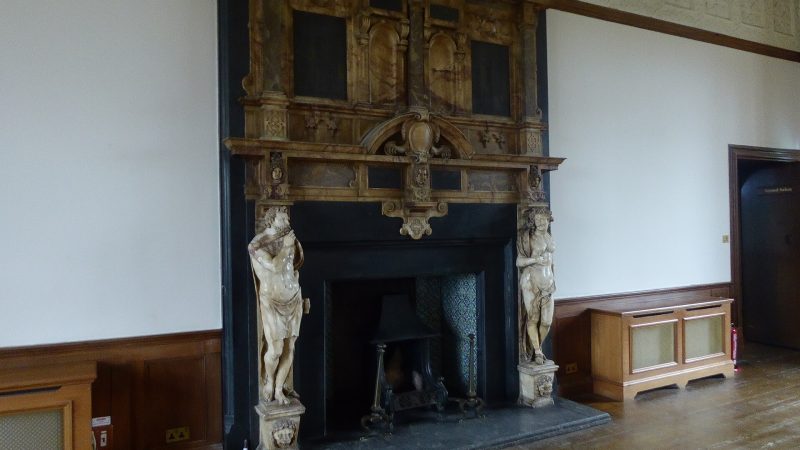
Do You Need Approval to Remove a Chimney Breast?
Yes. Removing a chimney breast is a structural alteration and needs building regulations approval, engineer calculations and usually…
Nicole Bickley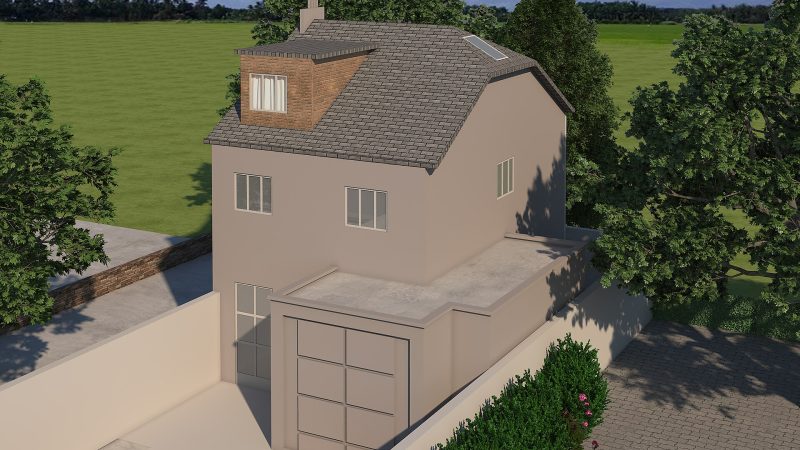
Does a Loft Conversion Need Planning Permission?
It depends on whether the roof volume changes and where the property sits. A rooflight conversion within the…
Nicole Bickley
What Does a Building Inspector Check at Each Stage?
An inspector checks four things in sequence: the excavation and foundations, the structure before it is closed, the…
Nicole Bickley