How Do You Choose a Kitchen Worktop Material?
 Nicole Bickley
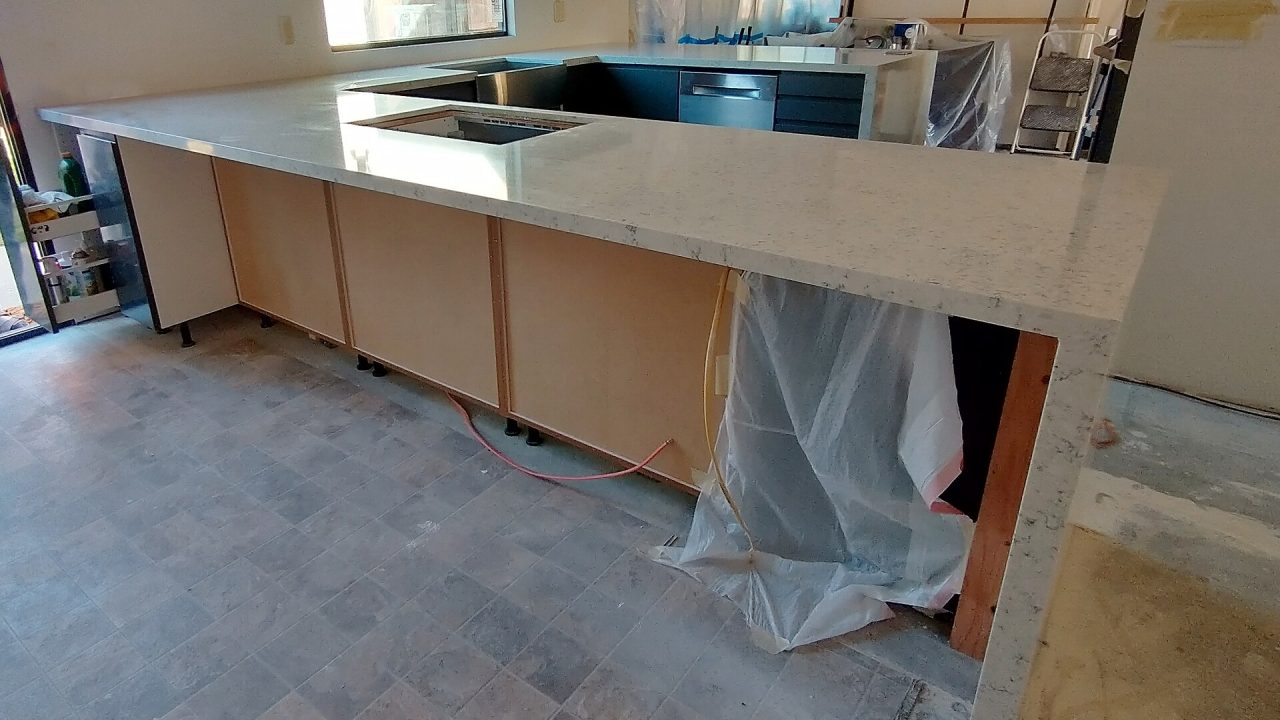
Choose by how the kitchen is used rather than by how the sample looks: quartz or sintered stone for heavy daily cooking, laminate for a tight budget, timber for a low-traffic kitchen with maintenance tolerance, and natural stone only where staining and etching are acceptable.
The four properties that decide satisfaction are heat tolerance, scratch resistance, stain resistance and repairability. No material scores well on all four, which is why the choice is a trade rather than an upgrade.
How does quartz perform?
Hard, non-porous and consistent, at 200 to 600 per linear metre fabricated. It resists stains and scratches well but discolours under a hot pan and cannot be repaired invisibly.
Quartz is the default choice for a family kitchen because it needs no sealing and takes daily use. It is not heat-proof, whatever the showroom says.
What about sintered stone?
Denser and more heat-resistant than quartz, at 300 to 700 per linear metre. It tolerates hot pans better, resists UV, and is available in thin formats for cladding.
The trade-off is brittleness at edges and a higher fabrication cost. Chips are harder to repair than in quartz.
Is granite still worth specifying?
Yes, for heat tolerance and uniqueness, at 250 to 800 per linear metre. It is porous and needs sealing every one to two years, and some granites are more absorbent than the label suggests.
Test a sample with a drop of oil before committing. A granite that darkens within a minute will stain in a kitchen.
What are the drawbacks of marble?
It etches with acid, stains with oil and scratches with grit. It is beautiful and it records every event that happens on it.
In a bathroom vanity it is manageable. In a working kitchen it is a commitment to patina, which some people want and most do not.
How does laminate compare?
30 to 80 per linear metre, easy to clean, and available in convincing stone and timber finishes. It chips at edges, cannot take a hot pan, and swells if water reaches the core.
Modern compact laminate is a different product with better water resistance. Standard laminate on chipboard is not.
What about solid timber?
80 to 250 per linear metre, warm, repairable by sanding, and demanding. It needs oiling every three to six months and it marks around the sink.
Timber suits a cook who treats the surface as a working board. It does not suit a kitchen where every mark is a problem.
Is stainless steel a practical choice?
Yes in a professional sense: heat-proof, hygienic, repairable. It scratches visibly and shows every fingerprint, and it is noisy.
Brushed finishes hide scratches better than polished. A 1.2mm gauge is the minimum for domestic use without oil-canning.
How thick should a worktop be?
20mm for quartz and sintered stone with an edge build-up, 30 to 40mm for natural stone, 38 to 40mm for timber and laminate. The thickness is often visual rather than structural.
A 20mm top with a 40mm mitred edge looks like 40mm and costs less. It is the standard trick in stone fabrication.
Does the worktop need a substrate?
Stone and sintered tops need a continuous support, usually 18mm ply or a proprietary frame, because they are brittle and cannot span. Laminate needs a solid deck.
A top spanning an unsupported gap will crack at the gap, not at the edge. Support is a specification item, not an installer’s choice.
How are cut-outs handled?
By the fabricator, with a template taken on site after the cabinets are level. Cut-outs weaken the top, so they need radiused internal corners, not square ones.
A square internal corner is a crack initiator. Every stone worktop failure starts at one.
How much does fabrication add?
30 to 50 percent on top of the slab price, covering templating, cutting, polishing, edge profiles and installation. Edge profiles and drainer grooves add more.
Fabrication is where the quality difference sits. Two quotes for the same slab can differ by the thickness of the edge build-up.
Which material resists heat best?
Sintered stone and stainless steel, then granite, then quartz, then laminate. Marble is in the middle and timber is the least tolerant.
Even the best surface benefits from a trivet. Thermal shock cracks stone regardless of the rating.
Which is easiest to repair?
Solid timber, by sanding. Stainless steel, by re-brushing. Laminate, only by replacement. Stone and quartz, only by a specialist, and usually visibly.
Repairability matters in a family kitchen and is almost never discussed at the point of sale.
Does the material affect the sink choice?
Yes. An undermount sink needs a stone or composite top with a polished cut edge. A Belfast sink needs a top that can take the weight and a rebate.
Decide the sink before the worktop is templated. Changing it afterwards means a new top.
What about sustainability?
Composite tops with recycled content, timber from certified sources and stainless steel with high recycled content all score better than virgin stone quarried and shipped.
Durability is the largest sustainability factor. A top that lasts thirty years amortises its impact; one replaced after eight does not.
How should a sample be tested?
Take it home and leave oil, wine, vinegar and a hot pan on it for 24 hours. The showroom sample is polished and lit; the kitchen is not.
Every material has a failure mode. The test tells you whether you can live with that particular one.
Which material suits a rental?
Laminate or compact laminate, because it is cheap to replace and tolerant of tenants. Stone in a rental is a liability rather than an asset.
Compact laminate survives water and heat better than standard laminate. It is the middle option worth paying for.
Can two worktop materials be combined?
Yes, and it is often the practical answer: stone around the sink and hob, timber or laminate on the island or the breakfast bar. Each material goes where its strengths matter.
The joint between them needs a movement allowance and a support under it. A butt joint between two materials without support will open as the timber moves.
Does the worktop thickness affect the cabinet design?
Yes. A 40mm top changes the drawer heights and the appliance clearances, and a 20mm top with an edge build-up does not. Decide the thickness before the cabinets are ordered.
Dishwashers and integrated appliances are sized for a 40mm top in most specifications. A thicker top may mean the appliance does not fit under the rail.
What is the decision order?
Heat exposure first, then staining risk, then repairability, then appearance, then price. Most buyers reverse that order and regret it.
The guide on kitchen renovation cost shows how the worktop line sits in the overall budget, and the one on cabinet refinishing covers whether a new top is needed at all.
The worktop is the most used surface in the house and the least forgiving of a wrong choice. The guides on kitchen cost per square metre and on refinishing cabinets cover the adjoining budget decisions.
Related guides
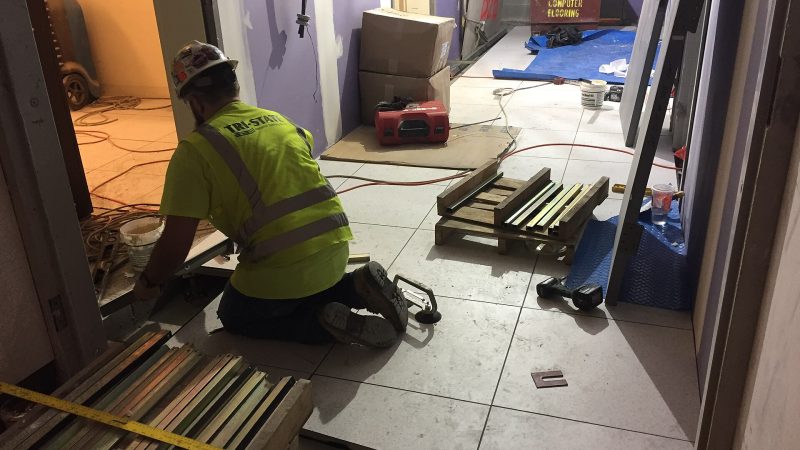
How Do You Specify Grout and Adhesive for Large Format Tile?
Large format tile needs a cement-based, flexible, large-and-heavy-tile adhesive applied as a full bed with a 10mm notched…
Nicole Bickley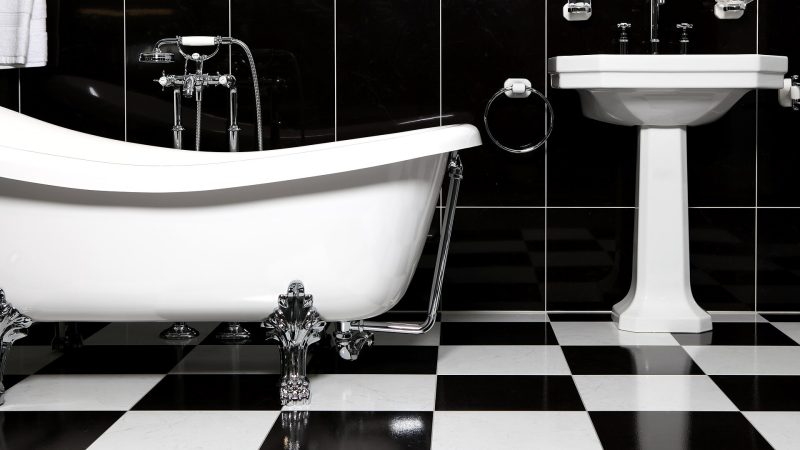
Why Do Movement Joints Matter in a Tile Installation?
Because tile, adhesive and substrate all move at different rates, and a movement joint is the only place…
Nicole Bickley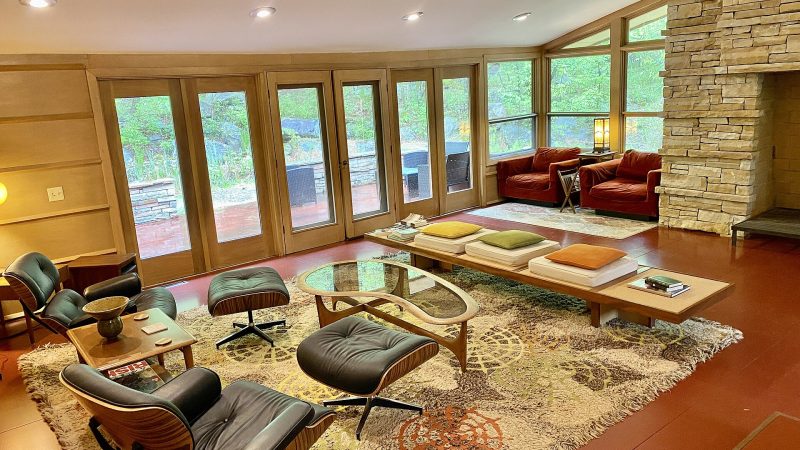
How Much Expansion Gap Should You Leave on a Timber Floor?
Leave a 10mm expansion gap at every wall and fixed obstruction for a domestic room up to six…
Nicole Bickley