How Do You Compare Three Renovation Quotes Fairly?
 Nicole Bickley
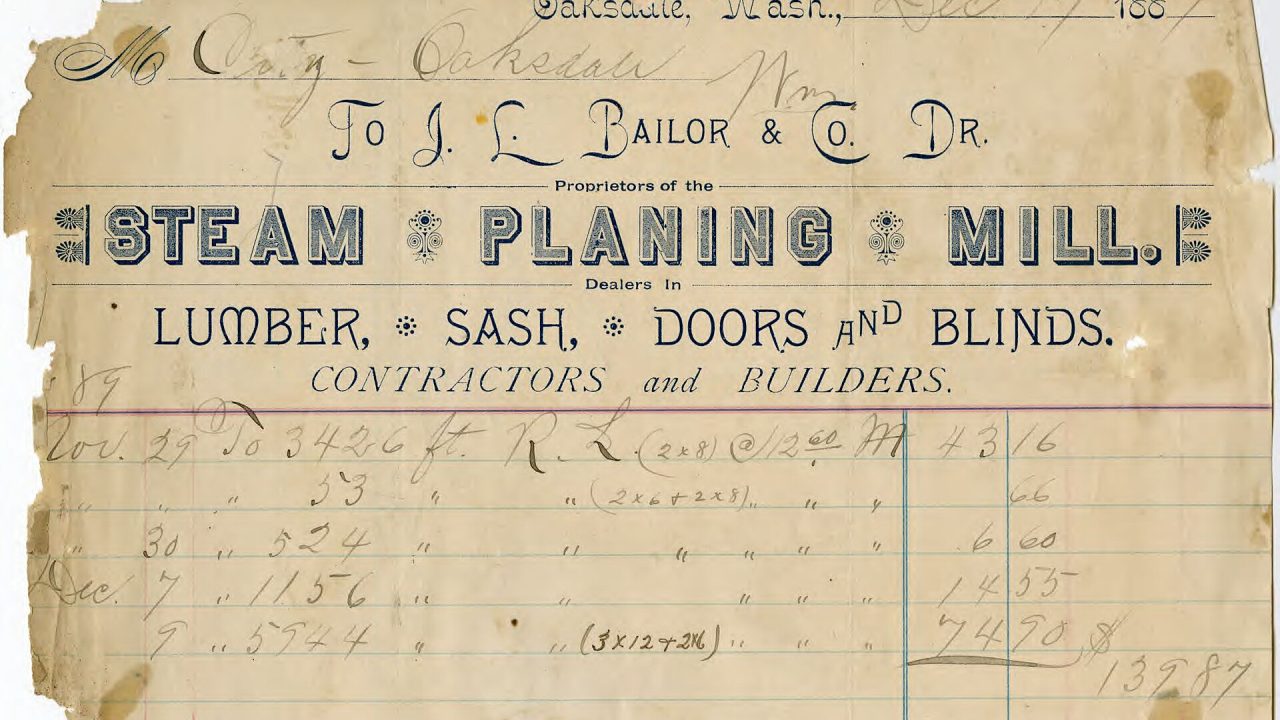
Compare against your own schedule of work, line by line, with each quote priced or explicitly excluded, and treat any unpriced line as a future variation at the contractor’s rate. The cheapest total is almost never the cheapest job.
A quote is only comparable if it describes the same scope, the same materials, the same number of visits and the same exclusions. Without that, you are comparing three different projects.
What should be in a comparable quote?
Scope by room and trade, material specifications with brands and models, labour days, exclusions, provisional sums, programme, payment schedule and validity period. Ask all three contractors for the same format.
Issuing your own schedule is the single most effective step. It removes the ambiguity that makes quotes impossible to compare.
Why are quotes so different in price?
Three reasons: different scope, different specification, and different assumptions about what is included. Only the fourth reason, different margin, is a real price difference.
A quote that is 30 percent lower usually has 30 percent less work in it. Find out which lines are missing before deciding.
What is a provisional sum?
An allowance for work that cannot be priced precisely yet, such as electrical first fix or groundworks. It is spent at cost plus the contractor’s margin when the actual work is known.
Compare provisional sums between quotes and ask what is included in each. A low provisional sum makes a quote look cheaper and does not make the job cheaper.
What are the common exclusions?
Making good, decoration, waste removal, temporary services, building control fees, asbestos surveys, scaffolding, and the electrician’s certification. Each is a real cost that someone has to pay.
Add the exclusions back into each quote before comparing totals. The ranking often reverses.
How should labour be presented?
As a day rate and a day count per trade, so it can be checked against the programme. A lump sum labour figure cannot be verified or varied fairly.
A contractor who will not show days is either guessing or protecting a margin. Both are worth knowing before signing.
What about materials?
Specified by brand and model, with an allowance for client-supplied items. Unspecified materials are the main mechanism by which a quote is later reduced in quality.
If the quote says “tiles by client”, establish who buys adhesive, grout, trim and sealant. Those are not tiles and they are not free.
How do payment terms affect comparison?
A quote asking for 30 percent up front is a different risk from one asking 10 percent. Price the risk into the comparison rather than ignoring it.
Normalise payment terms across the three quotes before comparing. Cash flow terms are part of the offer.
How should the programme be compared?
By weeks, with a start date conditional on the same approvals. A quote that starts earlier because it assumes permission is already granted is not comparable.
Ask each contractor for the number of weeks on site and the number of visits. Two contractors can quote ten weeks with very different site presence.
What is a reasonable difference between quotes?
Ten to twenty percent between three reputable contractors for the same scope. Beyond that, either the scope differs or one of them does not want the job.
A quote 40 percent below the others is a warning, not an opportunity. It usually means the work will be done by whoever is available, not by the team that priced it.
What references should be checked?
Two recent projects of similar size, visited in person, with the client asked about the final five percent: snagging, certificates, and whether they would use the contractor again.
References that cannot be visited are not references. Ask for addresses, not testimonials.
What insurance documents are needed?
Public liability, employer’s liability if they employ, and contract works insurance. Certificates should be current and in the contractor’s legal name.
Check the name matches the contract. A policy in a different name may not respond to a claim.
How should VAT or sales tax be handled?
Confirm whether each quote includes tax and at what rate. On a renovation of an empty property or a listed building, the rate may differ, and the rules are specific.
Ask for a breakdown. A quote that is silent on tax is a quote that will grow by the tax rate.
What about a contractor who will not itemise?
Some will not, and it is a legitimate position for small jobs with a fixed scope. On a renovation, it makes comparison impossible and variations unpoliceable.
If itemisation is refused, ask for a schedule of rates instead. It achieves the same purpose without exposing the whole build-up.
How should the interview be used?
To test how they talk about problems. Ask what went wrong on their last job and how they resolved it. The answer tells you more than any reference.
A contractor who claims no problems has either not done many jobs or is not being straight. Both are useful to know now.
What should the contract include?
Scope, drawings, specification, programme, payment schedule, retention, variations procedure, insurance, dispute resolution and completion definition. All referenced, all signed.
Use a standard form where one exists. A bespoke contract written by the contractor usually favours the contractor.
How should the decision be made?
On the middle quote, usually: the lowest is often under-scoped, the highest is often over-specified, and the middle is where a well-run firm tends to sit.
Then adjust for the references and for how the contractor handled the questions. Price is the last criterion, not the first.
What is the most common comparison error?
Comparing totals rather than scopes, and choosing on price before reading the exclusions page. The exclusions page is where the real cost lives.
The second is not checking insurance and references until after the decision. Both take an hour and both are decisive.
Should the cheapest quote be kept as a benchmark?
Yes, as a scope check rather than a price. Compare its line items to the others to see what it has omitted, then decide whether you want that work done at all.
Sometimes the cheapest quote is right because the scope genuinely is smaller. That is a design decision, not a bargain.
How long should a quote remain valid?
Thirty to ninety days is normal, because material prices move. A quote with no validity period is a quote that can be re-priced at the contractor’s convenience.
If the project start is far off, ask for a price adjustment mechanism rather than a fixed figure. It is more honest than a number that will not hold.
What should happen after the decision?
Sign, issue the drawings and schedule as contract documents, book the first inspection, and confirm the first delivery date. Then hold a pre-start meeting on site.
That meeting is where the sequence is agreed and where most misunderstandings are prevented. The guide on payment staging shows how to tie the releases to it.
Comparison is a document exercise, not a conversation. The guides on payment staging and on contingency cover what happens to the numbers once the contract is signed.
Related guides

How Should Renovation Payments Be Staged?
Pay in stages tied to completed and inspected work, never in advance of it, with a five to…
Nicole Bickley
What Should You Buy Before Demolition Starts?
Order everything with a lead time longer than four weeks before demolition: kitchen units, windows, steels, bespoke joinery,…
Nicole Bickley
When Should You Book Trades for a Spring Renovation?
Book the key trades eight to twelve weeks before the intended start, and the specialists, plasterers and tilers,…
Nicole Bickley