Does a Bathroom Extractor Fan Need to Vent Outside?
 Nicole Bickley
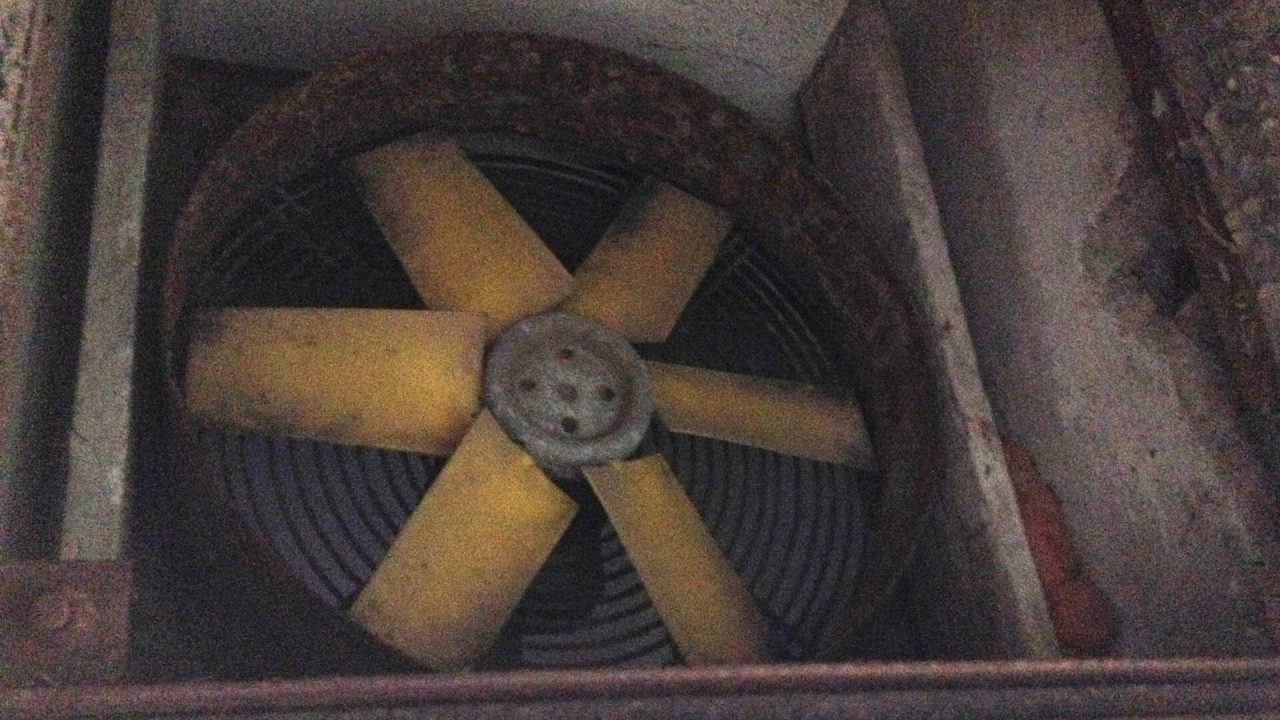
Yes. A bathroom extractor must discharge to outside air, either through an external wall or a roof terminal. Venting into a loft, a cavity or a ceiling void moves the moisture somewhere else in the building rather than out of it.
The consequence is predictable: condensation on cold roof timbers, mould on the loft boarding, and insulation that stops working. In a cold climate that damage can appear within a single winter.
How much airflow does a bathroom need?
Fifteen litres per second for a standard bathroom, and 60 litres per second for a bathroom with no openable window in some regulations. A larger bathroom or one with a bath and shower needs the higher figure.
Airflow is measured at the terminal, not on the box. A fan rated at 90 cubic metres per hour through three metres of flexible duct delivers a fraction of that.
Can a fan discharge into the loft?
No. A loft is cold, unventilated and full of timber, which is exactly the environment where moist air condenses. Discharging there is one of the most common defects found in renovated houses.
The fan appears to work, the bathroom dries more slowly than expected, and the roof structure quietly rots. Nobody connects the two until a survey.
Can a fan discharge into a wall cavity?
No. Cavity insulation becomes saturated, the wall loses most of its thermal performance, and the moisture finds a path to the inner leaf. Remedial work means removing the wall finish.
A cavity is not an outside space. It is a closed assembly that was never designed to carry water vapour.
How long can the duct run be?
Under three metres with no more than two bends for a standard domestic fan. Beyond that, a higher-rated inline fan is required, mounted in the duct rather than at the grille.
Flexible duct should be kept to the last 300mm. It has roughly twice the resistance of rigid duct, and a sagging loop collects condensate.
Should the duct be insulated?
Yes, wherever it passes through an unheated space. Warm moist air in a cold duct condenses, and the water runs back to the fan or drips through the ceiling.
Insulate the full length in a loft and slope the duct slightly towards the outside so any condensate drains out rather than back.
Where should the fan be mounted?
As high as possible on the wall or ceiling, and as close to the source of moisture as practical. Ceiling mounting above the shower is most effective, provided the duct route allows it.
A fan mounted on the far wall of a large bathroom pulls air across the room but leaves the shower corner humid. Position matters more than the rating.
Should the fan have a timer or humidity sensor?
Yes, either. A fan that stops when the light goes off leaves the room at 80 percent relative humidity. A run-on timer of 15 to 20 minutes clears it.
A humidity sensor is better in a bathroom that is used at unpredictable times. It responds to the actual moisture rather than to the switch.
Does the fan need a permanent live supply?
A run-on timer or humidity sensor requires a permanent live, a switched live and a neutral. That is three cores plus earth, not the two-core cable often found in older bathrooms.
If the existing cable is two-core, the fan cannot run on. That is a rewire of the lighting circuit, not a fan swap.
Why do extractor fans need a backdraught shutter?
To stop cold air and insects coming back down the duct when the fan is off. Without one, a bathroom with an external wall terminal is effectively a permanent hole in the envelope.
Fit an external louvred grille as well. The shutter closes the duct; the grille keeps rain and birds out.
Can a window replace the need for a fan?
Only where the regulations allow it and the window is actually opened. In practice, a household that opens a window for two minutes after a shower is not ventilating the room.
A fan is automatic, a window is a habit. Regulations in most jurisdictions now require mechanical extraction regardless.
How noisy should a fan be?
Under 25 decibels for a bathroom next to a bedroom, and under 30 for a separate bathroom. Cheap fans at 40 decibels get switched off, and a fan that is switched off extracts nothing.
Buy on sound rating, not on airflow alone. The quietest fans use a larger impeller turning slowly rather than a small one spinning fast.
What about heat recovery fans?
A heat recovery unit passes outgoing warm air across incoming cold air, recovering 60 to 90 percent of the heat. In a well-sealed house it is worth the extra cost, because it avoids pulling cold air in through every gap.
In a leaky older house the benefit is smaller. The unit still works, but the recovered heat escapes elsewhere.
Does a new fan need approval?
Usually not for a like-for-like replacement. Often yes when a new hole is cut in an external wall, or when the work is part of a controlled renovation. Check with the local building department.
Listed buildings and conservation areas add a separate consent for any external grille. That is a planning question, not a building control one.
How much does a proper installation cost?
200 to 500 for a wall-mounted fan with a short duct, 500 to 1,200 for a ceiling fan with an insulated duct through a loft, and 1,200 to 3,000 for a heat recovery system.
The variance is almost entirely duct length and access. The fan itself is the cheapest part of the job.
How is performance verified after installation?
With an airflow meter at the grille, or a simple tissue test that shows the fan holding paper against the grille. Neither replaces a commissioning sheet, which should state the measured rate.
Ask for the measured figure in writing. Installed performance is usually 30 to 50 percent below the box rating.
Can an extractor share a duct with a tumble dryer?
No. A dryer moves lint, and lint in a shared duct blocks the bathroom fan within months. Each appliance needs its own terminal.
Sharing also risks backflow: whichever unit is weaker becomes an intake for the other. Both ducts are cheap compared with clearing a blocked one.
What maintains a fan over time?
Clean the grille and impeller every six months. Dust on the blades reduces airflow and unbalances the motor, which is why old fans get loud before they stop.
Check the external shutter annually. A stuck shutter turns a working fan into a recirculating one without any change in sound.
Ventilation works with tanking and falls to keep a bathroom dry, and all three fail in the same place: the detail nobody photographs. The guide on tanking a walk-in shower covers the waterproofing side.
Related guides
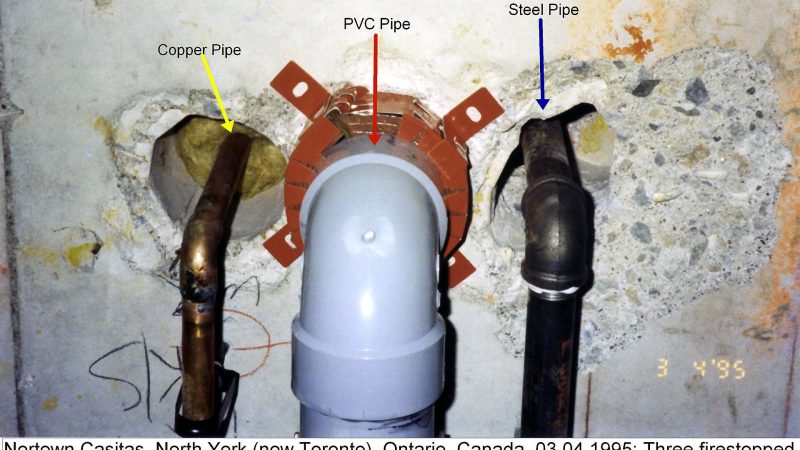
Can You Put a Bathroom Where There Was No Drainage?
Yes, provided a waste route can reach an existing stack or drain with a 1 in 40 to…
Nicole Bickley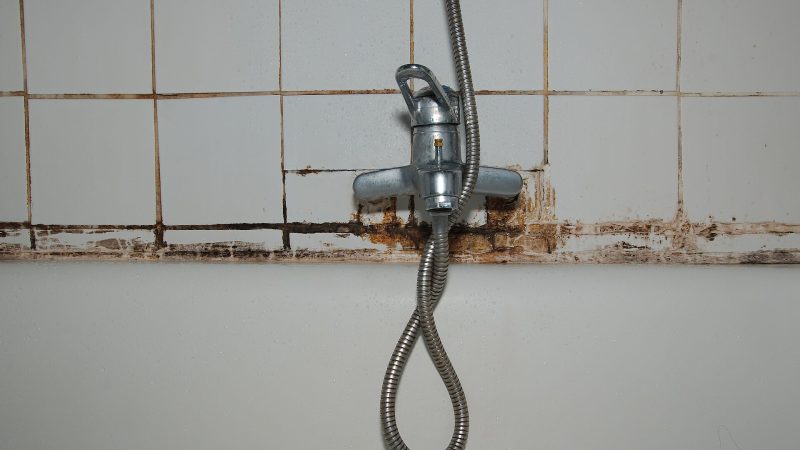
How Long Should a Bathroom Renovation Take?
A full bathroom replacement takes three to five weeks from strip out to snagging, and six to eight…
Nicole Bickley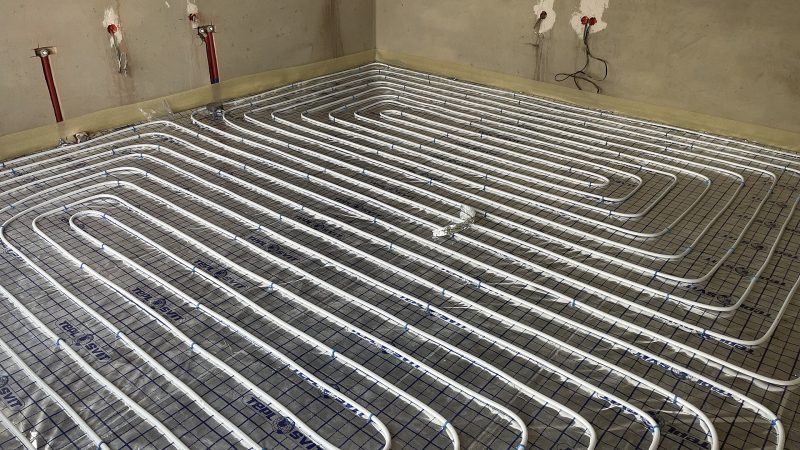
What Underfloor Heating Works Under Bathroom Tile?
Electric mat systems are the practical choice under bathroom tile, at 100 to 160 watts per square metre,…
Nicole Bickley